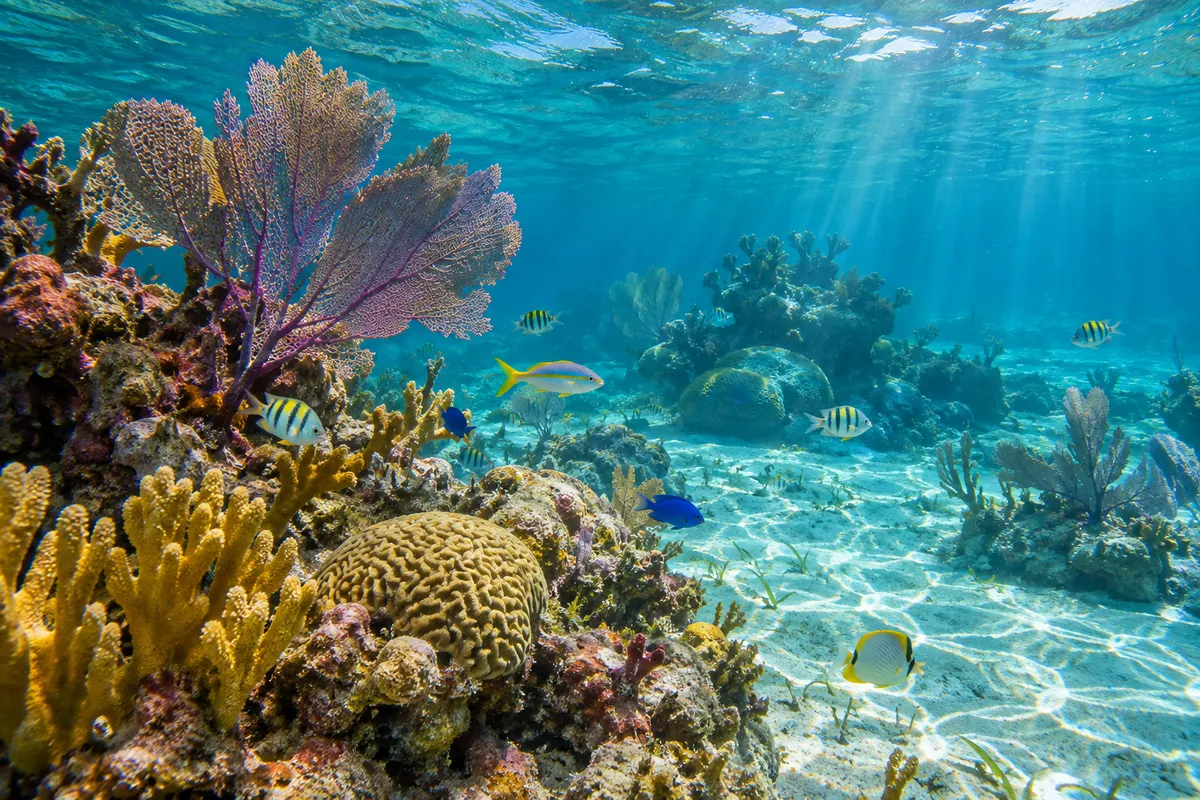
On a still morning, a sandy bottom may be visible even from a boat. Once away from the beach, the underwater scenery changes quickly. Seagrass beds, patches of reef, coral heads, sheer walls and wrecks provide very different experiences, and not all of them require scuba equipment.
Snorkeling from shore or boat
Beginners often prefer a sheltered beach where they can enter gradually and adjust a mask close to shore. A boat excursion can provide access to healthier or more extensive reefs, but conditions matter. Wind, tide, waves and current vary greatly between sites, even on the same island. Ask a local operator whether the trip is suitable for a weak swimmer and whether flotation equipment and a guide are provided.
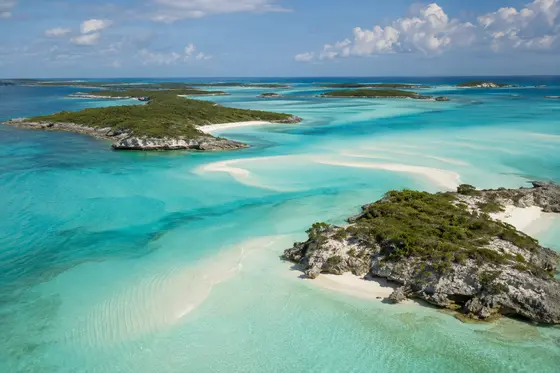
In the Exumas, shallow water and coral patches can be reached on organised outings around the cays. Nassau has several operators offering reef trips, which are convenient for visitors without much time. Eleuthera and its nearby islands also have shore and boat options, depending on the season and conditions. Reefs are not swimming pools: keep fins and hands clear of living coral, never collect shells or marine life from a reef, and give animals room to move.
Exploring the deeper water
The edge of the Bahama Banks drops into deep ocean in places. Experienced divers come to see wall dives, wrecks and the immense barrier reef off Andros. Bimini is known for wreck sites, and the Exumas have waters that are particularly interesting to explore by boat. Shark encounters are offered at some destinations, but travellers should research the operator's practices and choose experiences that respect wildlife.
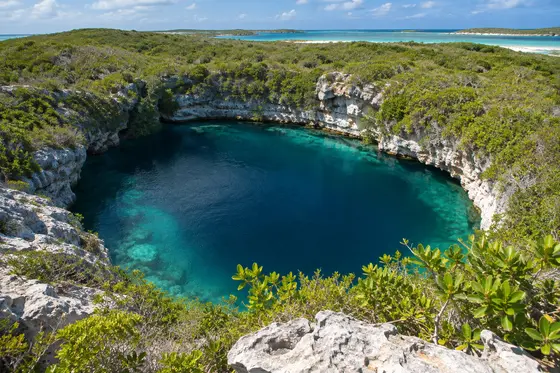
If you have never tried scuba diving, take a recognised introductory session with a qualified instructor. Certification, recent experience, health and the conditions at each dive site determine what is appropriate. Cave and blue-hole diving are specialist activities that require training far beyond an ordinary open-water qualification. Do not follow someone into a cavern just because the entrance is visible from the surface.
What to bring
A properly fitted mask is often the most useful piece of personal equipment. A rash guard provides sun protection in the water, and dry bags are handy on small boats. Leave enough time between diving and flying according to the advice of your training organisation and dive professional. When booking, ask about equipment, briefings, reef rules, cancellation conditions and transfer arrangements rather than deciding on price alone.
Picking an island
Base the decision on the type of experience you want. A short holiday in Nassau makes it easy to book a supervised reef visit; longer holidays on Andros, Bimini or the Exumas leave more room to explore at a relaxed pace. Check the official Bahamas diving guide for regional dive information and talk to your operator before departure.
Reading the site before entering the water
Sometimes the reef that looks closest to the beach is separated from it by a channel used by boats. Ask about this before swimming out. A good briefing explains where the group enters and exits, what to do if someone becomes separated, and how to communicate discomfort to the guide. Visibility alone tells you little about the direction or strength of the current. A beginner will learn much more during a comfortable half hour in shallow reef habitat than during an anxious swim to a famous site. If you use a camera, leave it behind on your first outing until you are comfortable with the mask, buoyancy and conditions. It is perfectly reasonable to remain on the boat if circumstances change.
Why the underwater landscape changes so quickly
The Bahamas is not a single mass of land surrounded by water of uniform depth. Much of the archipelago sits on enormous limestone banks, with sand and seagrass spread across remarkably shallow stretches. On the margins of these banks, where oceanic water begins, the terrain can be quite steep. A reef visited in the morning and a wall visited later in the day may be close on a map but represent very different underwater environments.
For snorkelers, a low coral outcrop surrounded by sand can be particularly rewarding. There is space to observe individual fish communities without needing to cover much distance. The contrast with a wall dive is considerable: a diver may spend time watching life on the vertical face with open blue water beyond it. Neither experience necessarily offers better wildlife sightings than the other. Each has its own patterns of movement, light and shelter. Planning a holiday around the kinds of underwater scenery you enjoy is more useful than trying to visit a fixed number of famous sites.
Bimini's wrecks, Nassau's reefs and the southern islands
One of the best-known sights off Bimini is the remains of the SS Sapona, a concrete vessel stranded in shallow water. Part of its weathered structure rises above the surface, while the submerged sections have become a gathering place for fish. It is also a historical site. Observe it from the outside with a reputable operator; the age and deteriorating condition of the hull make it inappropriate to explore without suitable professional assessment. The official account of the Sapona explains its history as a vessel, landmark and attraction.
Nassau suits visitors who enjoy a combination of land activities and reef outings. Garden visits, walks through old streets and museum trips can fill days when the sea is unsettled. In the Exumas, a holiday based on a vessel can offer views of changing underwater landscapes as the islands pass by. San Salvador attracts divers interested in reefs and steep coastal margins; it is worth arranging accommodation and dive services together, especially if visiting specifically to dive.
Watching a reef rather than swimming over it
Look at the structure of a reef before looking for its biggest residents. Small dark openings in the branches and crevices can be occupied by fish that retreat into shelter when approached. Blue tangs sometimes move past in groups, parrotfish graze over hard surfaces and butterflyfish visit patches of coral. Small silver fish may hang above the edge of a reef with their bodies flashing in the sunlight. Their movements are part of the character of the site.
Coral itself is alive, and the animals that create these structures can be far less obvious than their brightly coloured neighbours. Some reef areas may show signs of storm damage or disease. Avoid interpreting every pale or bare patch as a sandy landing place. A guide can explain what is living and what is safe to approach while remaining at an appropriate distance. The satisfaction of recognising a few common inhabitants increases with successive visits. There is no need to pursue an animal across a reef for a better look.
How a marine park is different
The Exuma Cays Land and Sea Park is an example of a protected area created to conserve marine and terrestrial habitats together. Underwater visitors can see a landscape shaped by natural ecological processes rather than treating the islands as places from which souvenirs can be removed. The Bahamas National Trust park information outlines the park rules, current visitor arrangements and conservation work. A visit with an operator familiar with those boundaries makes it easier to respect them.
Dive operators can contribute to preserving reefs in different ways, from using approved moorings to teaching visitors how to avoid damaging coral. A good operator should be willing to discuss their conservation practices and what happens when a particular site needs protection. If you discover you prefer a shallow excursion over a demanding dive, that is a useful outcome too. Allowing time to appreciate the habitat leaves an underwater holiday memorable long after the individual fish names have slipped your mind.