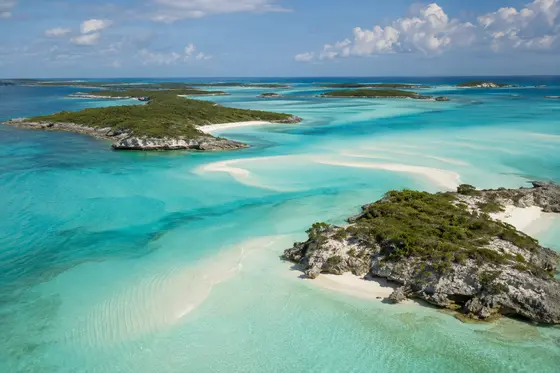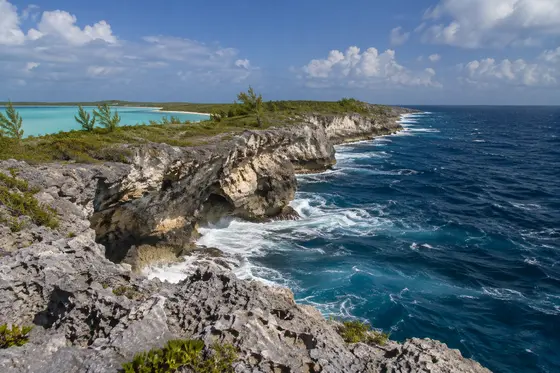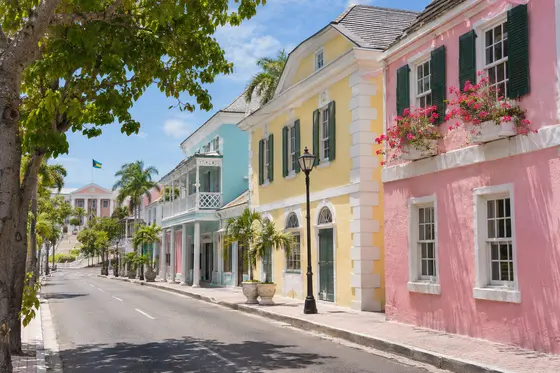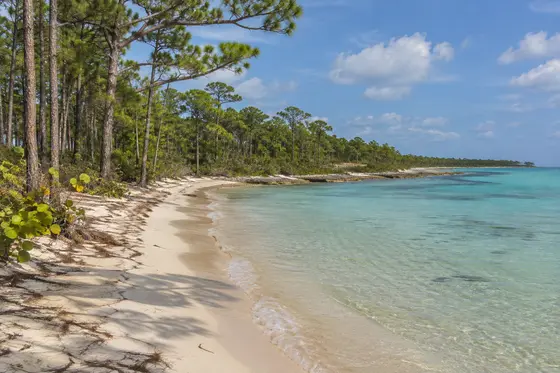
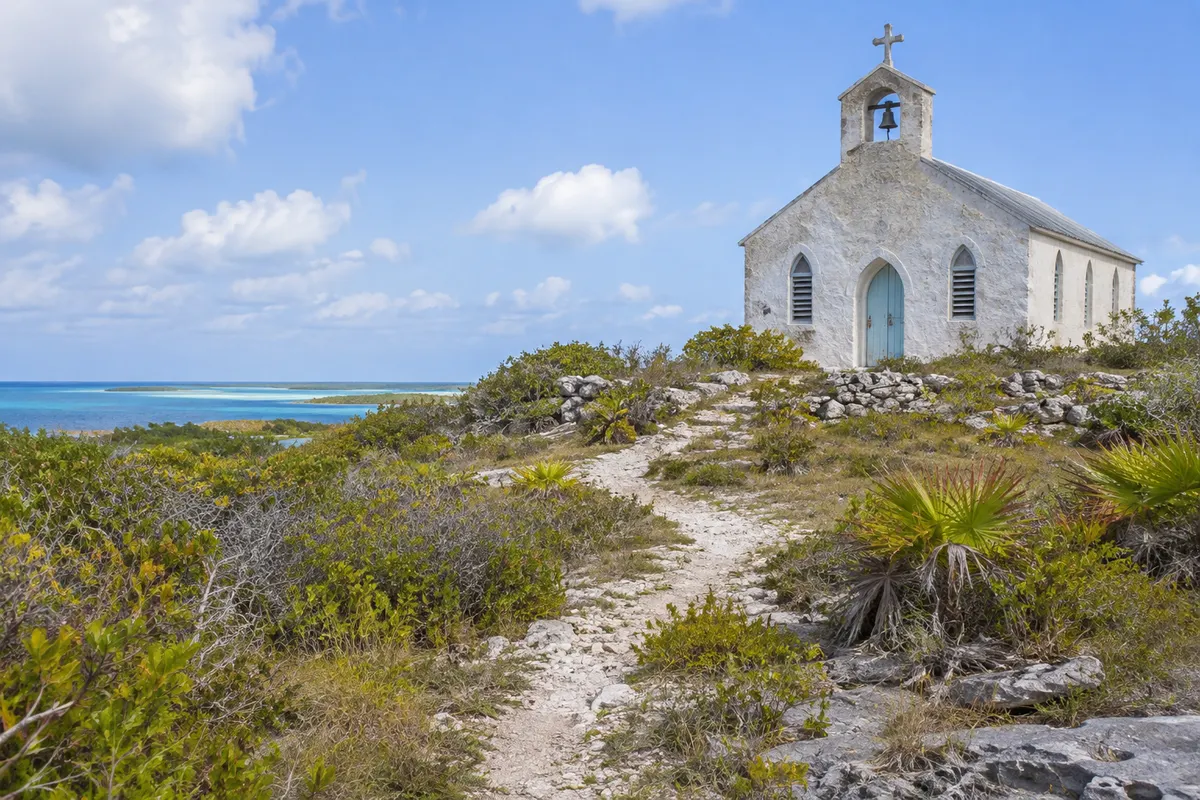
Cat Island is more than a long beach. Settlements are separated by fields and scrub, and there is an unusual hilltop landmark above the surrounding countryside. A traveller who enjoys old buildings, village life and unhurried walks will find plenty to fill several days without a busy schedule.
Walking to the Hermitage
Mount Alvernia, the highest natural point in the Bahamas, rises only modestly above the land, but it offers wide views over the low island. The stone Hermitage at its summit was built by Father Jerome, a priest and architect whose work can be found elsewhere in the country. The small stone buildings are closely fitted to the rocky hilltop. The climb is relatively short but can be hot, and uneven stone surfaces require careful footing. Carry water and take care not to disturb the site.
The villages and beaches
New Bight and Old Bight are among the island's settlements. Some stretches of shoreline are remarkably quiet, and it is often possible to spend a morning with very little traffic nearby. Ask locally where there is public beach access and which coast is sheltered on your chosen day. Cafes, shops and fuel stops can be widely separated, so a little preparation is useful for a long drive.
Cat Island also has a close association with rake-and-scrape music. At local gatherings, the rhythmic sound of a scraped saw can accompany drums and accordion. Dates of performances and community festivals vary, so make enquiries rather than assuming there will be an event during your stay.
Arranging a visit
The island works best for guests who appreciate independence and a quieter evening. Confirm which airport suits your lodging and arrange transport before arrival. If your host offers trips to historical sites or beaches, it can be a pleasant way to learn more about the island's history. Leave room in the itinerary to enjoy the hilltop view and the places you discover between the villages.
What the landscape tells you
Even away from its hilltop landmark, Cat Island has a great deal of exposed limestone. Thin soils, scrub vegetation and small fields show some of the constraints faced by past inhabitants. Historic estates and ruins can provide glimpses of this history; visit only places where access is permitted, and remember their connection to plantation labour. A local resident or guide may help explain a road, the name of a settlement or a building that is otherwise easy to pass without noticing. The island rewards people who make time for these ordinary conversations.
A closer look at the Hermitage
The little monastery near New Bight stands only 206 feet, or about 63 metres, above sea level, yet that is sufficient to make it the highest point in the Bahamas. The hill was known as Como Hill before Father Jerome named it Mount Alvernia, with reference to the Tuscan site associated with St Francis of Assisi. His full name was John Hawes, and his background in architecture influenced his approach to the buildings he designed as a priest. He completed the Hermitage in 1939 using local stone, deliberately keeping its scale small. The effect is surprisingly intimate compared with the landscape visible from the summit.
Look at the carved reliefs of the Stations of the Cross along the way and the shapes of the stone openings, as well as the view over the island. The official account of the Hermitage explains the building's origins. Its religious significance is still important, so avoid disruptive behaviour or trying to move objects to improve a photograph. Ask locally about current accessibility before setting out. If you cannot comfortably manage the irregular climb, a view of the hill from below still gives an impression of its position above the surrounding countryside.
Arthur's Town and the early years of Sidney Poitier
The northern part of Cat Island has its own associations with Bahamian culture, perhaps most famously the childhood of Sidney Poitier in the area around Arthur's Town. He was born in Miami to a Bahamian family and grew up in the Bahamas as well as the United States. In later life he became an actor of international distinction and the first Black winner of the Academy Award for Best Actor, for his performance in Lilies of the Field. The Academy of Motion Picture Arts and Sciences provides background on his film career.
Knowing about the island where he grew up adds interest to a drive through the small northern settlements. The distances between houses and villages can help a visitor imagine quite a different kind of childhood from that in a big city. Historical information about a famous person's family home does not necessarily mean that the property is open to the public, however. Arrange any visit through appropriate local contacts and do not enter residential grounds on the basis of a photograph posted online. Spend part of the outing simply exploring the streets or stopping for something to eat in the area. Cat Island remains home to people with their own stories quite apart from its most famous former resident.
Beaches for different types of days
Old Bight Beach is one place to enjoy the island's expansive sandy coast, while other beaches farther south towards Port Howe may show the pinkish hues associated with parts of the Bahamian shoreline. The sand composition and lighting influence how distinct that colour appears. Beach photographs taken after a shower or in the first light of the day can look quite different from the same location under the midday sun.
Waves can arrive over a long stretch of open ocean, while a different part of the shoreline may provide more shelter. Ask your host about conditions before choosing a place for a swim. Water sports such as kiteboarding and surfing are possible, but conditions suitable for a skilled participant can be unsuitable for inexperienced swimmers. Use properly qualified instructors. Do not assume isolated beaches will have rental equipment, bathrooms or rescue services.
Food and music around the settlements
Cat Island's association with rake-and-scrape provides an interesting reason to pay attention to community events. The Annual Rake and Scrape Festival is held during the summer, and includes performances and traditional dancing. Consult the island's tourism information for current details. If visiting at another time of year, seek out any performances associated with public events or local businesses rather than expecting each bar to have live music every evening. Remember that the people playing have their own schedules and may have other occupations during the day.
Try the local cooking while looking for music. New Bight is known for its fish fry, and a seafood meal in one of the villages can be a pleasant change from the food served at a hotel. What is available may depend on the weather and fishing conditions. A dish of peas and rice or baked macaroni often complements the fish. If fried seafood is not what you want, ask what is being prepared in a stew or on the grill that day. Travellers staying in self-catering accommodation may wish to pick up groceries when passing through a settlement instead of assuming there will be a convenient shop beside every beach they visit.
Organising a few days on the island
A holiday on Cat Island is easier to plan once you establish whether your accommodation is nearer Arthur's Town in the north or New Bight toward the centre. The two areas have different airports, so choose the service that best suits your actual destination. If you hire a car, find out arrangements for fuel and collection near your point of arrival. Bring basic supplies before heading to a more remote area and verify that the lodging has the facilities necessary for your meals and transport plans.
For four full days, begin with time near your accommodation and one short drive, followed by a visit to the Hermitage and the surrounding settlements. Use another day to explore the part of the island farthest from your base. Reserve a day for the beaches or an arranged marine outing, changing the order if conditions are better on a particular morning. This leaves room to linger over a meal, stop to look at the landscape or spend longer at a historic building than originally expected. The island is not an exercise in seeing the greatest possible number of sights. It is an opportunity to understand the scale of a small settlement, the work that shaped it and the quiet scenery surrounding it.