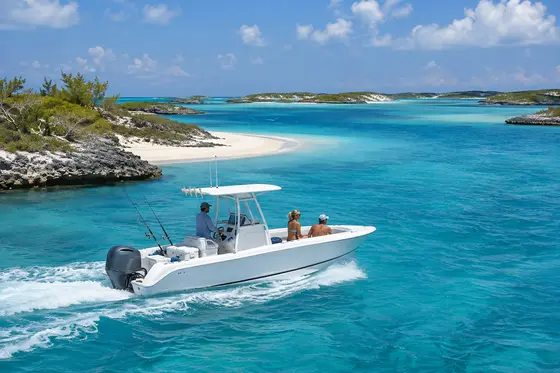
There is no universally best month for a Bahamas holiday. The answer depends on whether you want to swim for long periods, avoid crowds, go sailing or travel at a particular price. Winter and summer offer different conditions, and a morning on a sheltered bank may feel quite different from one on the Atlantic side of an island.
Winter and early spring
December through April generally brings comfortable temperatures and lower humidity. December and New Year are busy holiday periods, with the added attraction of Junkanoo in Nassau. A cold front can bring brisk winds and rough seas for a few days, so winter is not a guarantee of perfectly still water. A lightweight layer is useful on a late ferry or a breezy evening.
March and April often appeal to families and people who want to combine beaches with time in towns. School holidays can increase demand in Nassau and on popular resort islands. Travellers with flexible dates should compare several weeks rather than assuming all spring prices are similar.
Late spring and summer
The water grows warmer as the year progresses. Humidity and short rain showers become more noticeable. For someone planning to snorkel or spend several days on a boat, the weather pattern can be pleasant, but strong sun and thunderstorms deserve attention. Plan an early start and keep afternoons flexible. Some attractions and services on the smaller islands have seasonal schedules.
The Atlantic hurricane season officially runs from June to November. A storm need not pass directly over your island to interrupt ferries or flights. Use official forecasts, choose accommodation with clear weather cancellation terms, and be ready to change plans in response to local advice. Check the National Hurricane Center when travelling during this period.
Choosing your dates
Make a short list of activities and work back from it. A traveller mainly interested in culture might choose the Christmas holidays despite the crowds. Someone wanting unhurried walks along Eleuthera may prefer a quieter week. A diving holiday depends on sea state and an operator's advice as well as the calendar. Compare transport options before paying for a hotel. A wonderful-looking room is less useful if the connection to reach it is poor on your chosen day.
Check the location of your beach
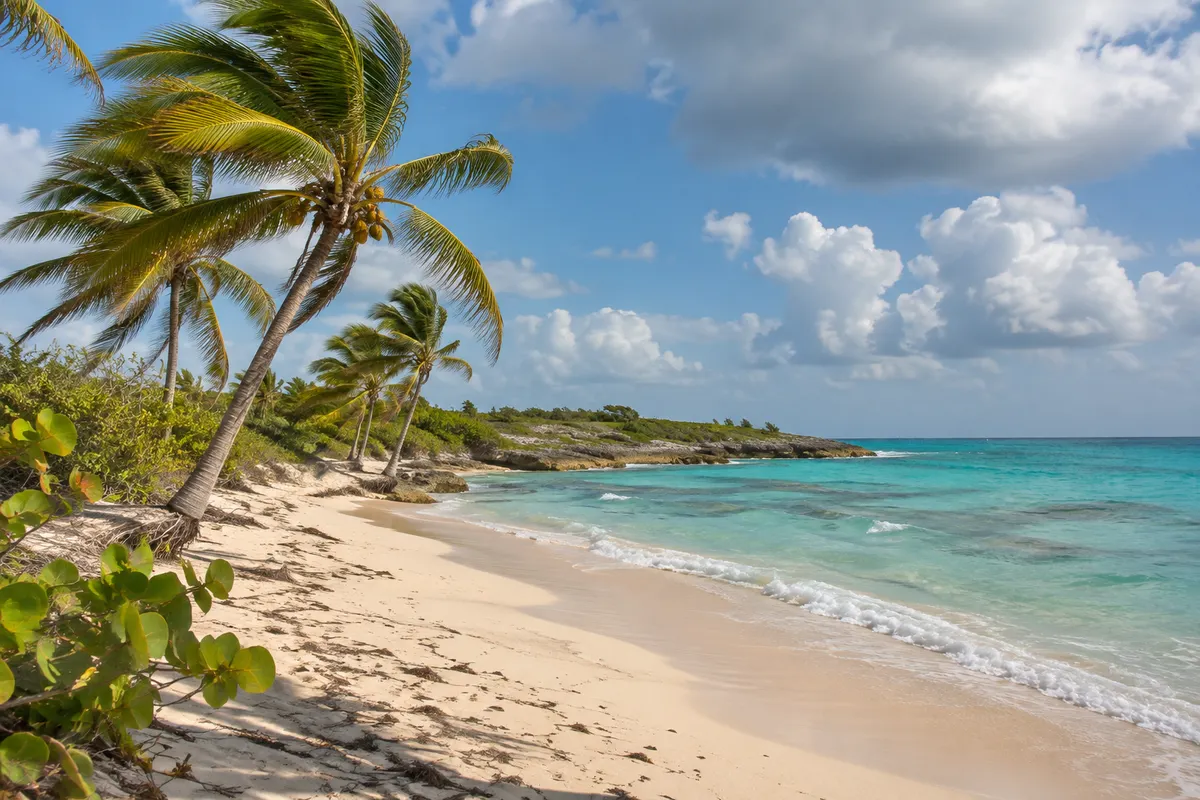
The direction a beach faces can make more difference to everyday swimming than the average temperature of the month. An ocean-facing beach may have surf on the same day that the bankside water is calm. On an island with good road access to both sides, you have the option of changing beaches as conditions change. Many resorts offer pool facilities when swimming in the sea is not appealing. If the main reason for your visit is a long boat trip, discuss seasonal weather with an operator who works on that particular stretch of coast. The country is large enough for conditions to vary from north to south.
January, February and March: winter without the snow
January is a reasonable choice for travellers who prefer pleasant walking temperatures to long hours of intense heat. The days are often comfortable enough for exploring Nassau's historic streets or going for a long stroll on a Family Island. February offers similar advantages, although the wind can make an extended swim or a ride on an open boat feel cool. In the northern Bahamas, a winter cold front may arrive with clouds, wind and choppy conditions. Sometimes the best response is to switch the order of the activities rather than change your destination.
March is often associated with winter escapes and spring breaks. A lively hotel atmosphere is an advantage if that is part of your plan, but check whether the property hosts large groups or parties when you would rather have quiet evenings. Compare school holiday dates in the countries from which many visitors travel and look at neighbouring weeks if you can. If you want time with a fishing or dive guide, make inquiries before you choose a hotel. Popular operators may have only a few places available on a particular week.
April, May and June: longer days in warmer weather
April can suit a combination of swimming and exploring ashore. The Easter holidays vary from year to year and affect availability and sometimes opening hours. It is sensible to make enquiries if you are hoping to see a particular community event or visit a museum on a holiday morning. Do not assume that a restaurant is open because it was open on the same weekday in a previous year's itinerary.
In May the warmer weather and longer days make it pleasant to spend more time outside, especially in the mornings and later afternoons. The likelihood of rain increases as the season advances. A short shower is often a different matter from a long period of poor conditions over the water. June marks the start of the Atlantic hurricane season. This does not mean that every day will be stormy; it means that you need an ordinary holiday plan and a realistic contingency plan. The official tourism weather information offers a general introduction to the climate.
July, August and September: heat, humidity and tropical weather
Summer days on the islands can be lovely for spending time near the sea, but prolonged exercise under the sun may be uncomfortable. Arrange walks or inland excursions early in the day and use the hotter hours for lunch, reading or an indoor activity. A beachfront terrace that is sheltered and shaded can be more useful than a large, exposed deck. In July, Bahamians mark their independence; ask locally whether any community events are scheduled for your visit.
August and September are warmer months and sit in a part of the hurricane season that historically sees substantial tropical Atlantic activity. That risk deserves more attention than whether a forecast predicts a brief afternoon shower. Check cancellation and travel insurance terms, watch official weather updates and follow any directions from the authorities. If a significant storm is forecast, change the itinerary rather than trying to complete a paid tour. An airport or ferry connection may be disrupted even when the accommodation is far from the centre of the weather system. Do not plan this period around a single departure that simply cannot be missed.
October, November and December: the changing seasons
October is still within the hurricane season, so look for sensible booking terms and pay attention to forecasts. November can feel less hot and may appeal to visitors who are more interested in walking or fishing than lying in the sun all day. The late autumn calendar may also offer fewer crowds on particular dates, though demand picks up around holiday periods such as American Thanksgiving. On small islands, ask about seasonal business openings if your dates are toward the end of a quiet period.
December has two quite different characters. Early in the month, it can offer a pleasant winter break, while the days around Christmas and the New Year are often busy. Junkanoo celebrations make this an especially interesting time for anyone curious about Bahamian music and costume. Verify the date, location and ticket arrangements of any specific parade; events are not necessarily held at the same place or time on every island. If watching a parade in Nassau is central to your trip, select the location of your room with that in mind rather than choosing the cheapest accommodation in a remote district.
Match weather to the activity, not to an average temperature
On a fishing or sailing holiday, the guide's assessment of sea conditions matters more than the fact that another island reportedly had good weather. For a holiday focused on reef visits, leave several possible days for the booking; in rough weather there may be no safe equivalent to your preferred site. A local guide can suggest what sheltered alternatives are realistic for a particular departure point. Likewise, a trip to see birds should be planned according to the habitat and species that interest you, not simply the number of sunny days on a climate chart.
If you are travelling with older relatives or children, the ability to find shade and a comfortable place for a midday break may be your most important seasonal consideration. Look at the position of the accommodation, its indoor facilities and its accessibility as well as the month of the visit. Finally, compare the entire trip cost at two or three times of year using the same route and type of room. Seasonal value is not just the advertised room rate; it includes flight options, cancellation terms and the number of activities you can comfortably fit into the available time.